
Recurring filmmaker mistakes
If I've seen it once, I've seen it a hundred times


I’ve heard it said that if you want to be a great writer, you have to read a lot of books. And if you want to be a great filmmaker, you have to watch a lot of movies.
Both good and bad.
Because when we watch the good movies, we see what works and why.
And when we watch bad movies, we understand what to avoid in our own films.
That’s why it’s great to volunteer to be a part of a film festival’s screening committee. In no other job will you be exposed to such a wide variety of movies; many you will never see anywhere else again.
I've had the privilege of serving as a screener for three different film festivals over the years, spanning both shorts and features, narratives and documentaries. I've watched hundreds of films and I’ve seen some really good ones, but I’ve also seen a lot of bad ones. The good ones have stayed with me. Even 20+ years later I still remember certain films I only saw once while working as a screener.
But the bad ones taught me so much more as I was learning to make my own films. Because if you watch long enough, you will soon start to see patterns emerge; patterns that hurt the film overall.
Obviously, these are my observations and my opinions. Taste is subjective, but I’ve seen a lot of these tendencies pop up again and again among films that consistently score low among screeners.
Here they are:
1. Bad Audio

Audiences are incredibly forgiving of less-than-perfect visuals, especially if your characters are authentic and your story compelling. But poor audio quality? That's a deal-breaker.
Muffled dialogue, distracting background noise, uneven levels, poor microphone placement (or no microphone at all) – any of these will pull a viewer out of your film. Learn the fundamentals of capturing clean audio. Invest in the proper equipment. Hire an experienced audio specialist. It makes all the difference.
2. Overuse of Drone Shots

This has only popped up in recent years as affordable drones become more ubiquitous. Drone shots can look incredible, but I’ve seen a lot of films that simply overuse the drone shot to the point where it just feels out of place.
In other words, it insists upon itself.
When used arbitrarily (and too often), without giving any thought to how the shot fits within the context of the story, a drone shot just draws too much attention to itself.
“Why can’t my footage look more like film?”
…said every filmmaker shooting on digital.
Well then, you need Dehancer—the premier film emulation plugin that brings authentic analog aesthetics to your digital workflow.
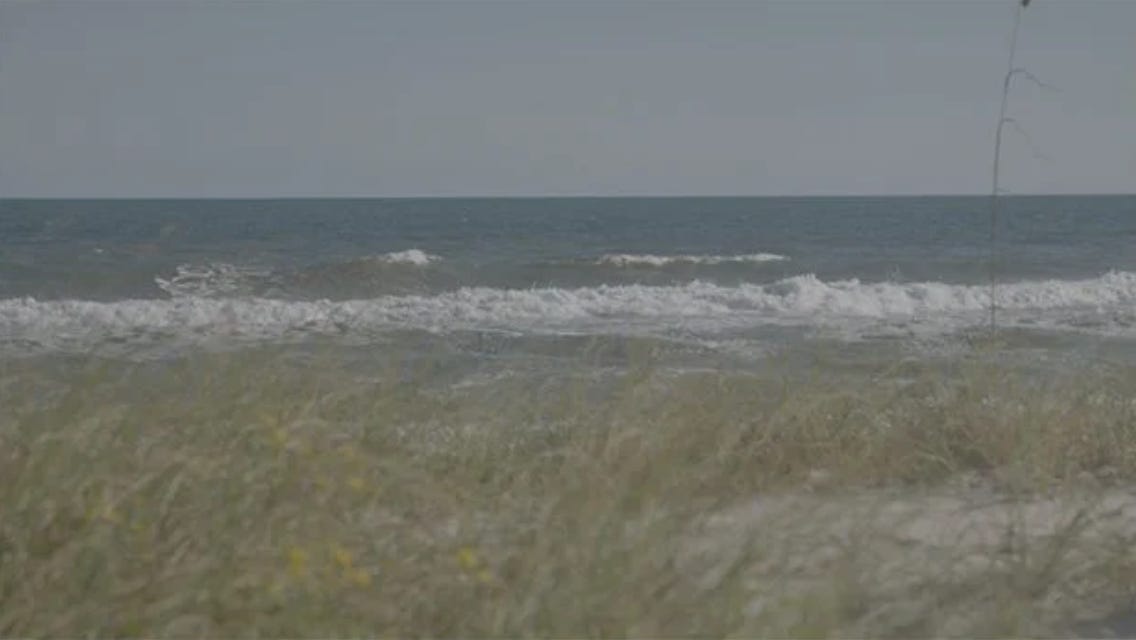
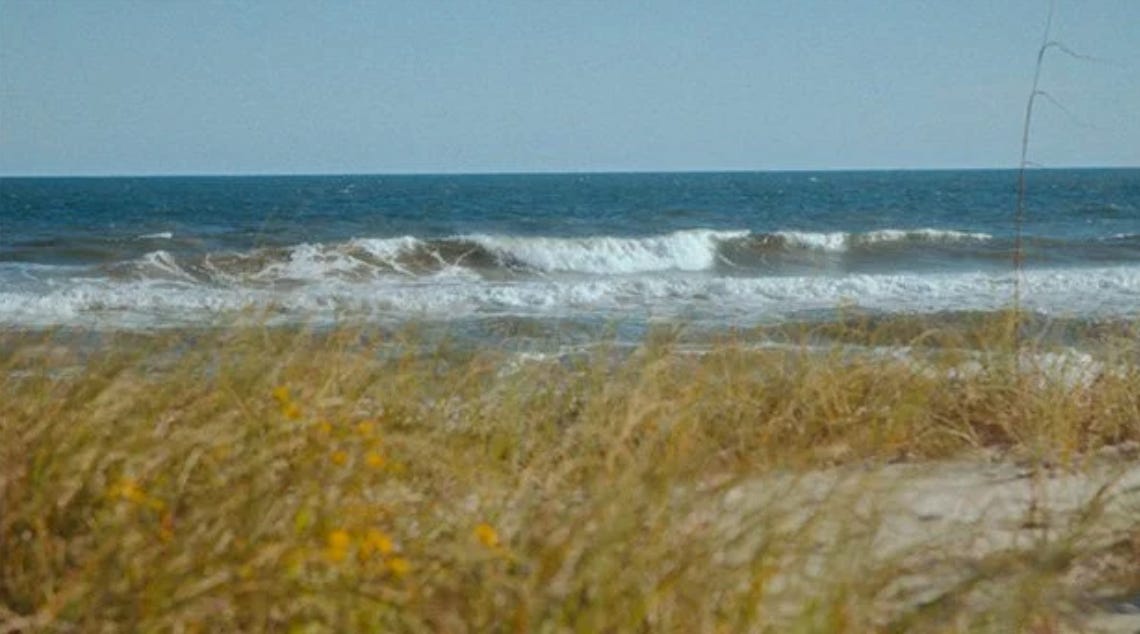
With over 60 iconic film profiles, 130+ camera log options, realistic grain, halation, bloom, film damage, and advanced tools like LUT generators and color pipelines, Dehancer can improve the look of your footage with film-like texture. Compatible with DaVinci Resolve, Adobe Photoshop, Lightroom, Premiere Pro, After Effects, Final Cut Pro, and more—plus mobile and online versions for on-the-go creativity.
Upgrade Your Vision and Save 10%
Interested in elevating the look of your color grade with genuine film emulation? You can get 10% off any Dehancer product by using my code VISION at checkout.
3. A Long Opening Credits Sequence
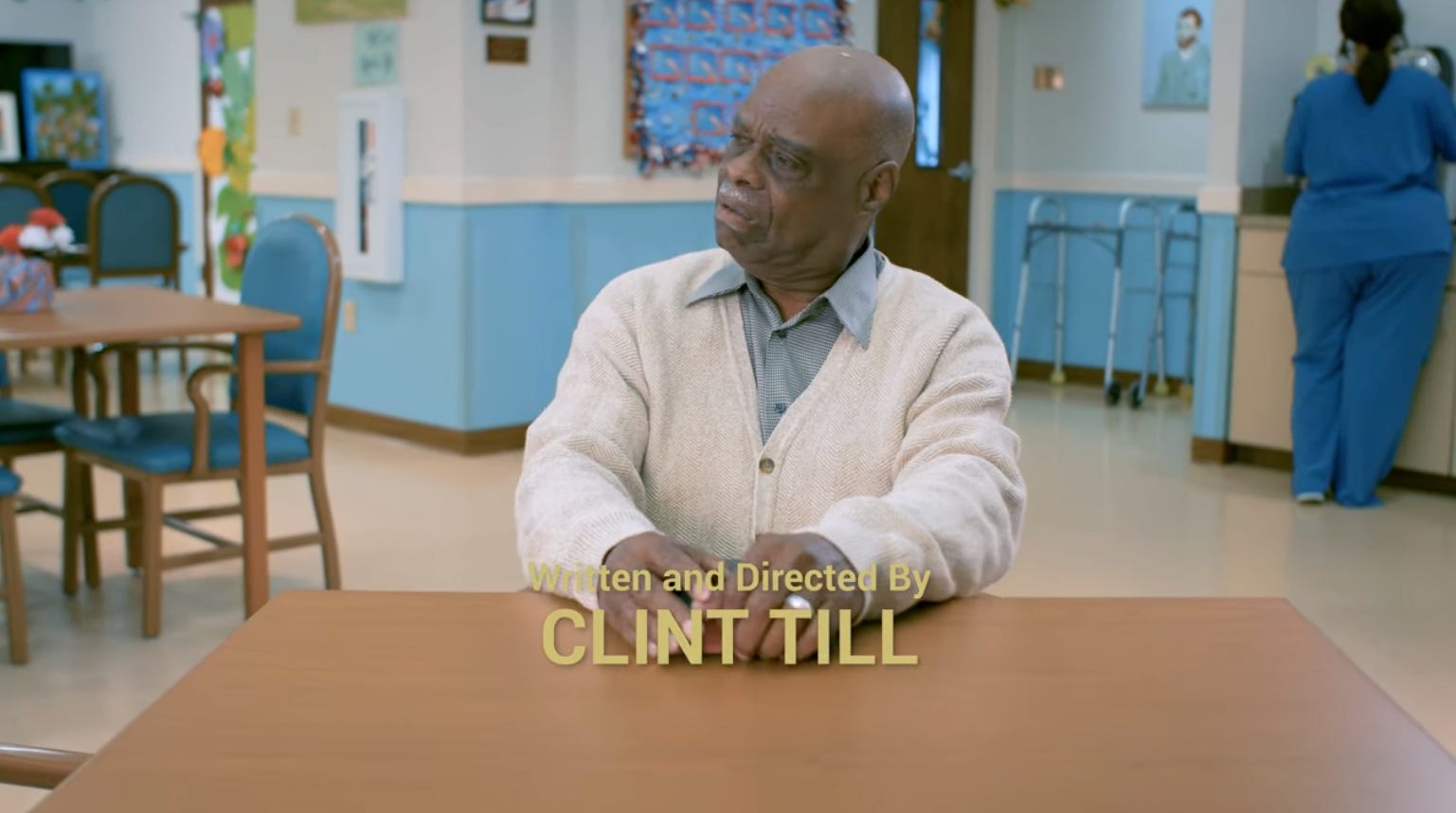
This one particularly hurts short films. Short films typically run for a maximum of 15 minutes, meaning you have only about 2-3 minutes to truly hook your audience and draw them into your narrative.
I've screened a lot of shorts and I’ve seen some that open with a two-minute-long credit sequence (often set against a backdrop of the aforementioned drone shot). Your audience (and your festival screener) has a limited attention span. Get to the story quickly.
4. Expository Dialogue

“On-the-nose" dialogue. It's when two characters sit there, explicitly telling each other (and the audience) exactly what they're thinking, feeling, or what happened off-screen. There's no subtext, no nuance. We're spoon-fed basic information that could be conveyed so much more powerfully (and succinctly) through visuals.
Look for creative, visual ways to communicate character traits, emotional states, and plot points.
Also, let your audience discover things on their own. Keep things ambiguous. Let the story unfold so that your audience is just behind. When viewers are forced to play catch-up in their minds, they’re more engaged.
Just don’t make things too confusing. If an audience knows too much, they’ll lose interest. If they can’t understand anything that’s going on, they’ll also lose interest.
Find the balance.
5. No Attention Paid to Production Design

I understand – low or no budget films are tough. Resources are incredibly limited. But you'd be surprised how many films I've screened that are shot against stark white walls, plain brick, or in rooms that are almost completely devoid of personality.
Even with minimal resources, giving some thought and care to your production design can elevate your film immensely. A few well-chosen props, a piece of art, or even just adjusting the lighting can transform a generic space into a reflection of your characters' world and emotional state. It shows you've considered every element of your visual storytelling.
6. Trying to Stretch a Short into a Feature

This is a common pitfall I see, especially in the feature categories. Sometimes I screen films and it quickly becomes obvious there isn't enough story to genuinely fill 80-90 minutes. So, the filmmaker pads the edit with unnecessary coverage, scenes that go on too long, or repetitive dialogue.
Your story dictates its length. If it's a brilliant short, let it be a brilliant short. When editing, try cutting the version you first had in mind, but then (as an exercise) cut an extremely short version. You may find that the concise version is far more impactful and serves the story better.
7. Overextending Your Short Film's Runtime

On a related note: you should aim to keep your short film's running time at 15 minutes max.
The shorter, the better.
This makes your film much easier for festivals to program into a short film block, as they're always juggling many submissions.
Of course, there are exceptions to this rule; I've seen some truly fantastic short films that are in the 20-25 minute range. However, your short needs to be pretty extraordinary to justify that extra running time.
Again, when you're cutting, first edit the version you envisioned, and then, cut the absolute shortest version you possibly can. You might find that the more concise version is far more impactful.
Ultimately, making a film is an incredible achievement, so congratulations. You've poured your heart and soul into it, and that passion shines through. My hope is that by addressing these common areas, you can refine your craft, tighten your narrative, and increase your film's chances of finding its audience and making an impact on the festival circuit and beyond.
So consider volunteering to be a festival screener. The more films you can watch (both good and bad) the more you can learn yourself.
So keep making films and keep telling your stories.